Services Offered
Chiropractors believe that our bodies are capable of self healing. The bones in our spinal columns, however, can impair vital nerve function. Our nervous system is the control station for our body. If it is not working properly - neither will we! Though it might be surprising to some, pain is not the result of an aspirin deficiency. While you may find over-the-counter pain relievers in the same aisle as nutritional supplements at your local pharmacy - they are NOT essential nutrients. Your body does not require them to function properly. Pain or discomfort is usually a sign that something is wrong. Why try to cover up symptoms when you can find the underlying cause?
Depending on the patient’s individual needs, a doctor of chiropractic will develop a program of care that may combine more than one type of treatment instead of using drugs and surgery. The treatment plan may include spinal manipulation, mobilization, or massage, as well as procedures such as electric stimulation, rehabilitative exercises, advice on nutrition, and suggestions for posture modification.
|
-Chiropractic Adjustments
-Acupuncture -Electrical Stimulation/TENS -Hot/Cold Therapy |
-Electroacupuncture
-Therapeutic Exercises -Neuromuscular Re-education -Taping/Kinesio-taping |
-Manual Therapy
-Therapeutic Activities -Nutritional Counsel -Electro-Acupuncture |
Sevices Explained

Spinal ManipulationChiropractic spinal manipulation is a “hands-on” approach in which doctors of chiropractic manually adjust spinal structures in an attempt to restore back mobility.
|

Electric StimulationAlso known as "E-stim" or "TENS". Although many types of electrical therapy treat pain, doctors of chiropractic often use a small device is
often used that sends low-voltage electrical current through the skin, using electrodes (small, flat adhesive discs) placed near the source of the pain. |
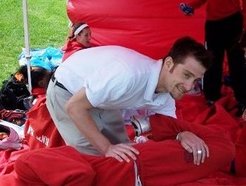
Myofascial ReleaseMyofascial release is a highly specialized stretching technique used in an attempt to end pain and restore joints’ range of motion by focusing on fascia, a type of connective tissue that covers organs, muscles, and other soft internal structures.
|
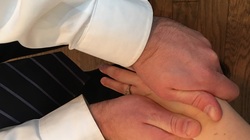
Joint MobilizationJoint mobilization consists of small passive movements, usually applied as a series of gentle stretches in a smooth, rhythmic fashion to individual joints. Joint mobilization has been shown to improve mobility, as well as assist in relieving pain and releasing tension from areas such as the head, neck, ankles, feet, pelvis, wrists, ribs, and spine.
|
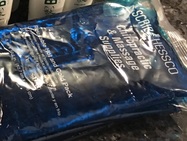
Heat & IceIce packs and heat pads are among the most commonly used treatments for musculoskeletal injuries. Ice treatment is most effective for acute injuries. If you have a recent injury (within the past 48 hours), ice packs can help minimize swelling. On the other hand, heat treatments should be used for chronic conditions to help relax and loosen tissues, and to stimulate blood flow to the area.
|
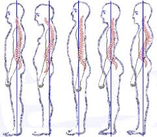
Posture ModificationGood posture helps us stand, walk, sit, and lie in positions that place the least strain on supporting muscles and ligaments during movement. Your doctor of chiropractic can assist you with proper posture, including recommending exercises to strengthen your core postural muscles. He or she can also assist you with choosing proper postures during your activities that may help to reduce your risk of injury.
|
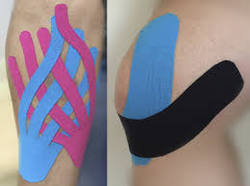
Kinesio Taping |
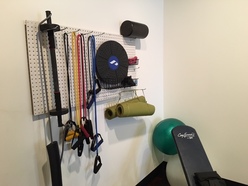
Post Injury Rehabilitation |
|
Kinesiology Taping is a therapeutic taping method that utilizes a latex free elastic tape...Whereas most athletic tape is stiff and is used to hold muscles or joints in one position, kinesiology tape is stretchy...There are four main functions of the tape:
1. Correcting muscle function. Kinesiology tape supports muscles during movement, and research has shown that it can provide a bit more stamina than the muscle alone. 2. Improving circulation of blood and lymph. Studies show that the tape increases the flow of both blood and lymph, which can help in the treatment of lymphedema, mastectomy recovery and swelling, to name a few. 3. Correcting joint movement. The tape can be used to keep a joint, such as a knee, gliding and tracking smoothly while in use. 4. Relieving pain. The tape has an analgesic effect, similar to what has been described as the "mother's hand effect." source: ACAnews May 2010 - Stick to It by Caitlin Lukacs |
After the reduction of your pain or ache, your doctor of chiropractic may design an individual program that will include a series of rehabilitative exercises performed both in the office and at home to strengthen and stretch the affected muscles, ligaments, and tendons. Your doctor’s goal is to provide you with lasting pain relief and to educate you on how to prevent recurrence of the problem.
Chiropractic rehabilitation programs often combine several types of treatments, such as manipulation, manual therapy and nutrition advice as opposed to using drugs and surgery. |
Electroacupuncture
Electroacupuncture stimulates points on the body just like traditional Acupuncture, but also includes a continuous electric pulse generated by a small machine. The sensation can be compared to that of a TENS unit, and like a TENS unit the frequency and intensity can be modified. Please visit the page titled "Acupuncture" in the site menu above to learn more about Acupuncture in general, how it works, and what it can help with.
Disclaimer: The information provided is not intended to diagnose, treat, cure, or prevent any disease. Acupuncture performed by a doctor of chiropractic (D.C.) in Texas is limited to scope of practice, which includes the adjunctive treatment of the subluxation complex or the biomechanics of the spine and musculoskeletal system. Acupuncture, and the related practices of acupressure and meridian therapy, includes methods for diagnosing and treating a patient by stimulating specific points on or within the musculoskeletal system by various means which include short-needle insertion for the purpose of obtaining a biopositive reflex response by nerve stimulation.
408 S Broadway Ave ~ Tyler, TX 75702 ~ 903-595-5190 ~ kaleochiropractic@gmail.com
